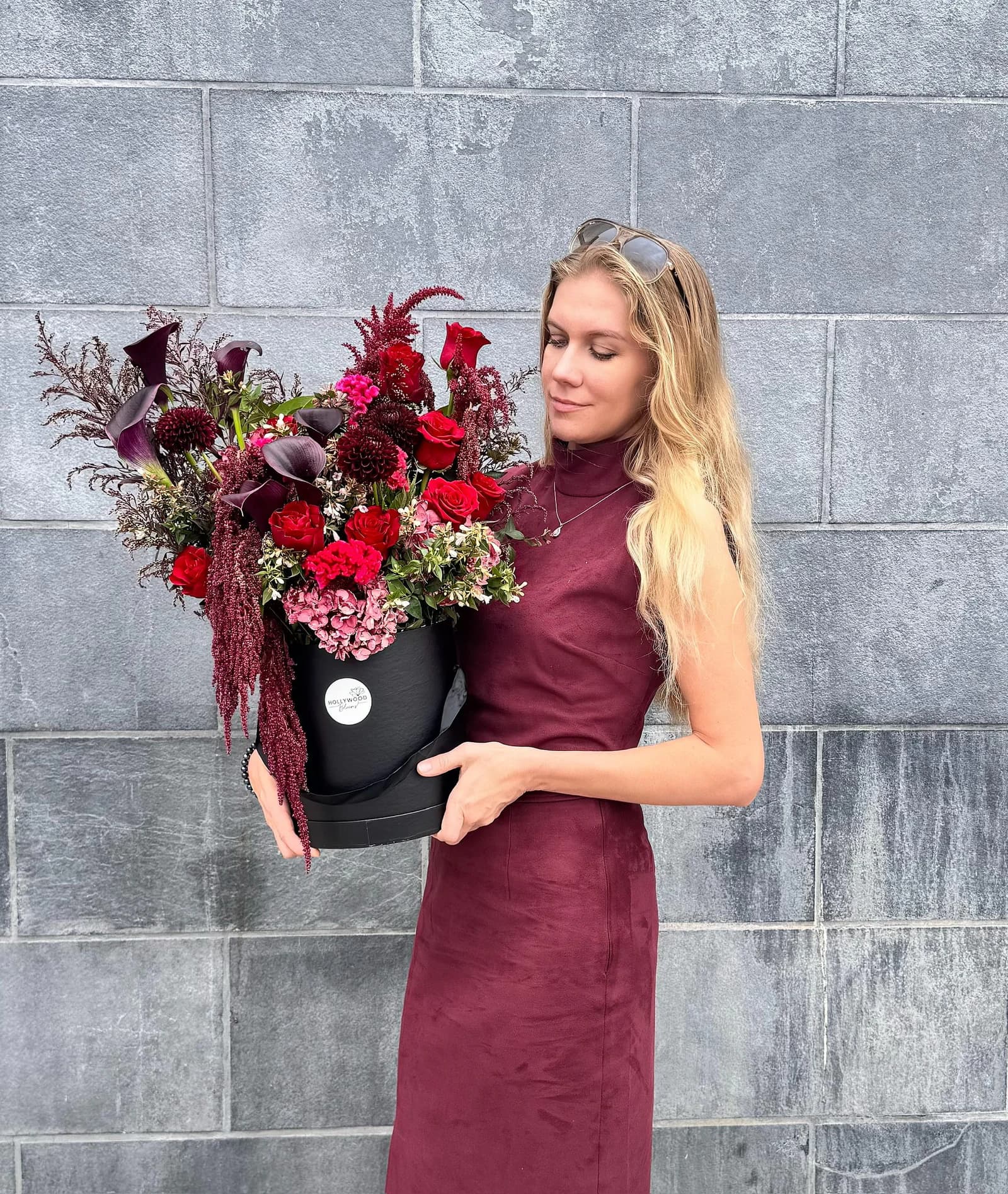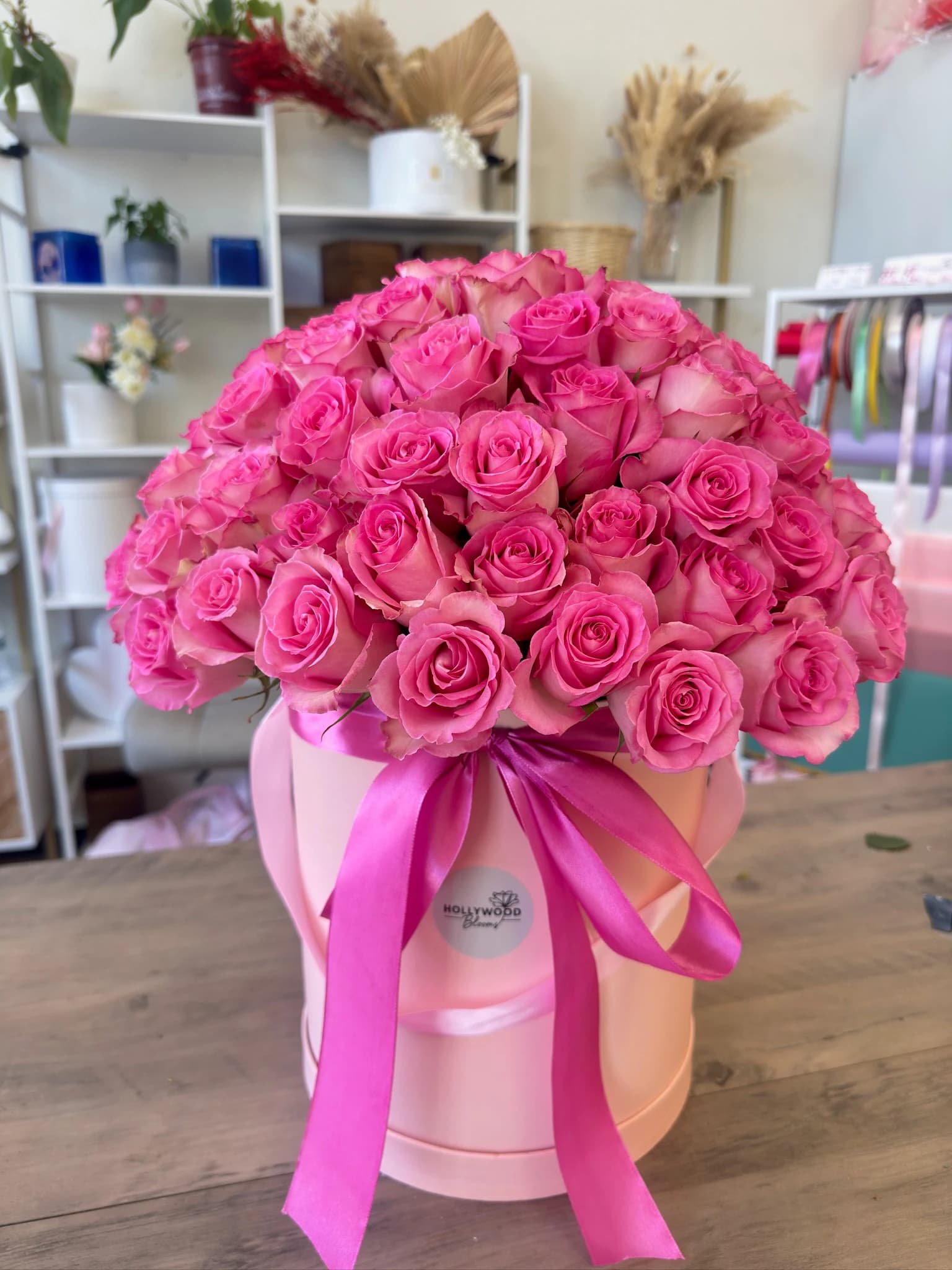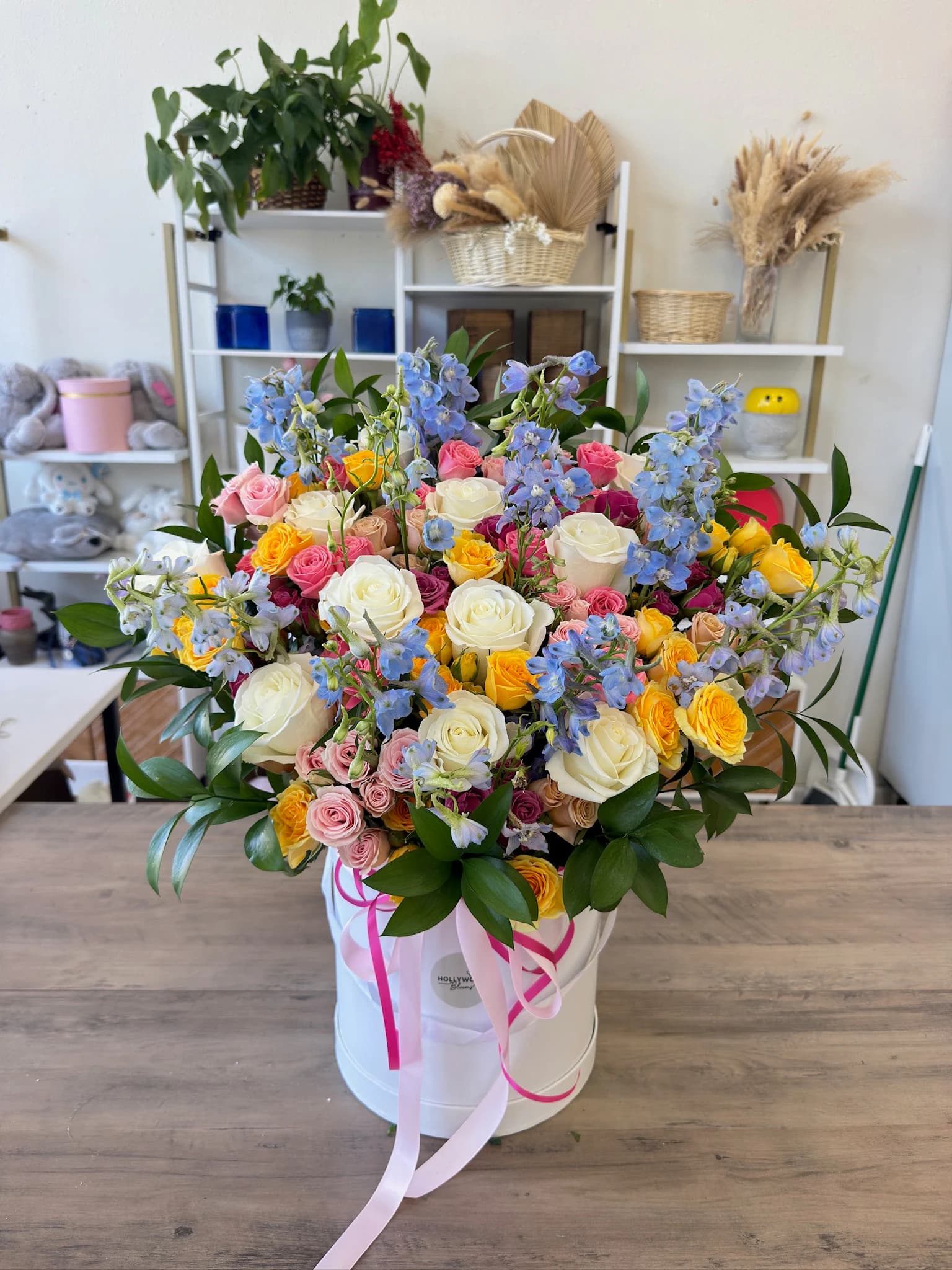
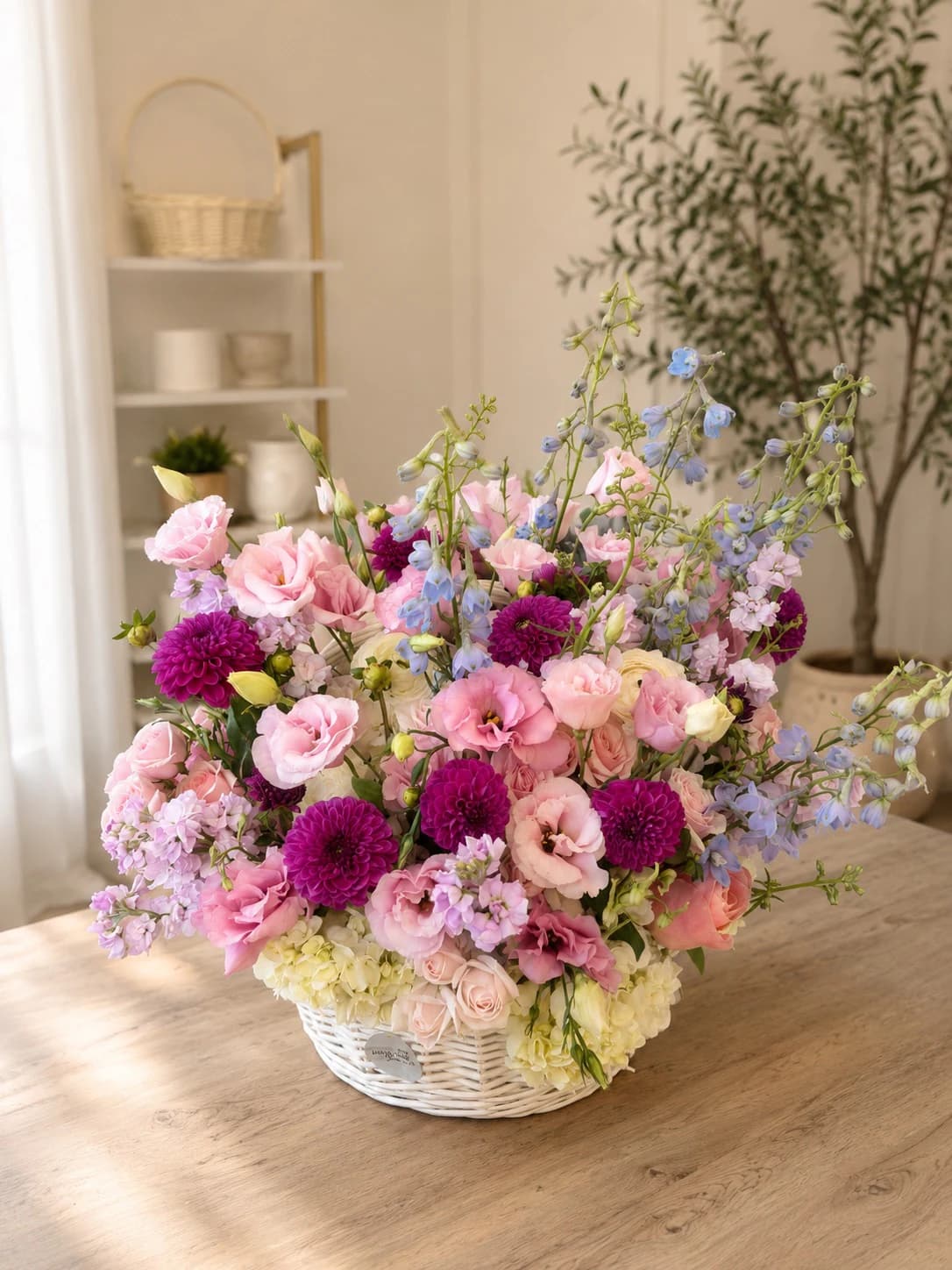
Learning how to make a bouquet is easier when you stop choosing flowers one stem at a time and start thinking in roles. A balanced bouquet usually needs a few focal flowers, supporting blooms, lighter texture, and enough greenery or open space to let every flower be seen.
This is the same beginner-friendly sequence we use to make bouquet building feel calm and intentional: choose a palette, condition every stem, establish the shape, add focal flowers, then finish with movement. You do not need rare flowers or expensive tools to practice it.
What you need before you start
Gather clean floral snips, a vase or bucket of water, a towel, and floral tape or a rubber band if you plan to hand-tie the bouquet. Clean tools and containers matter because bacteria in water shortens vase life.
For an easy medium bouquet, start with roughly three to five focal stems, five to seven supporting blooms, three to five texture stems, and a small amount of greenery. That is a flexible recipe, not a rule: the size of each flower should guide the final stem count.
- Focal flowersRoses, peonies, dahlias, hydrangeas, or another bloom that naturally draws the eye.
- Supporting flowersSmaller roses, lisianthus, tulips, carnations, or seasonal flowers that carry the color story.
- Texture and movementWaxflower, astrantia, delicate branches, grasses, or airy flowers that soften the outline.
- GreeneryUse it lightly to create shape, contrast, and breathing room rather than hiding the flowers.
Prepare and condition every flower
Remove leaves that would sit below the waterline, plus any bruised petals or damaged side growth. Recut each stem with sharp snips before placing it in clean water. Give thirsty flowers time to hydrate before arranging whenever your schedule allows.
Turn the bouquet as you work and decide where your hand will hold the stems. Everything below that point should be clean. This makes the bouquet easier to bind and keeps excess foliage out of the vase water.
Keep stems long while designing. You can shorten them at the end, but you cannot add length back.
Build the bouquet in five steps
Hold the stems loosely rather than squeezing them into a tight bundle. A relaxed grip leaves room to adjust height and direction. If the bouquet starts to look flat, raise a few flowers, lower others, and create a little air between blooms.
- 1. Establish the outlineBegin with two or three greenery or line-flower stems to suggest the height and width.
- 2. Place focal flowersAdd focal blooms at slightly different heights, turning the bouquet after each addition.
- 3. Fill the middleUse supporting flowers to connect the focal blooms without creating evenly spaced polka dots.
- 4. Add movementLet a few lighter stems extend beyond the main shape so the bouquet feels natural rather than rigid.
- 5. Edit and tieRemove anything crowded or distracting, bind the stems at your hand, then make one clean final cut.
How to make the bouquet last
Place the bouquet in a clean vase with fresh water and the flower food provided with your blooms. Keep it away from direct sun, heaters, and ripening fruit. Refresh the water, clean the vase, and recut a small amount from the stems every couple of days.
The quickest way to improve is to make the same basic recipe more than once. Change only one element—such as the palette or focal flower—and notice how the shape responds. For guided practice with all flowers and tools ready, explore our flower arranging classes in Los Angeles.