Seasonal flowers in Los Angeles do not follow one perfectly fixed calendar. California growing regions, imported product, weather, and the wholesale market all affect what is abundant and beautiful in a given week. The most useful approach is to choose a mood and palette first, then let the best available flowers express it.
That flexibility often creates a fresher, more distinctive arrangement than requiring one exact flower. Use this guide as a planning framework, not a guarantee of inventory on a particular date.
Spring flowers: soft color and delicate texture
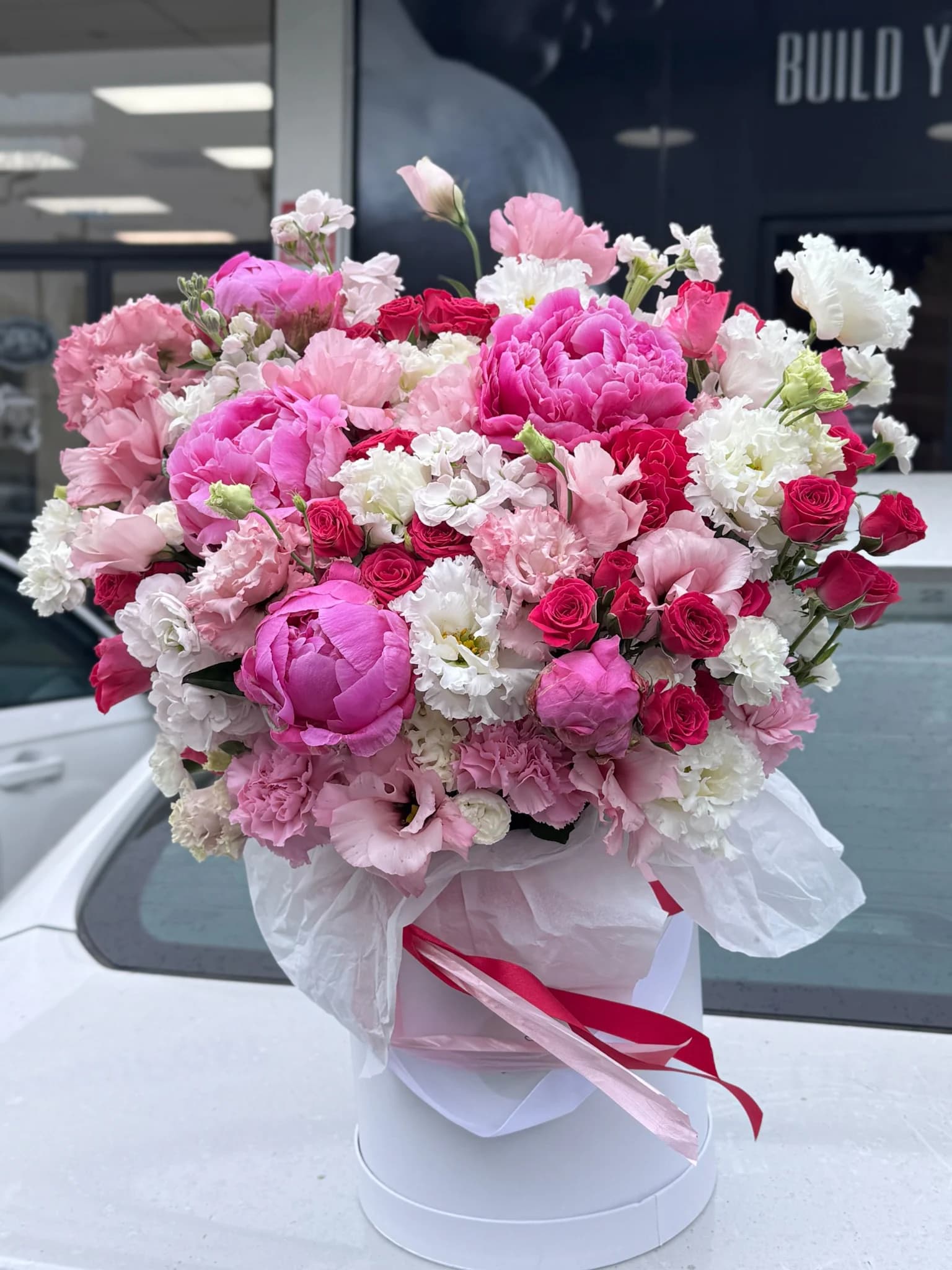
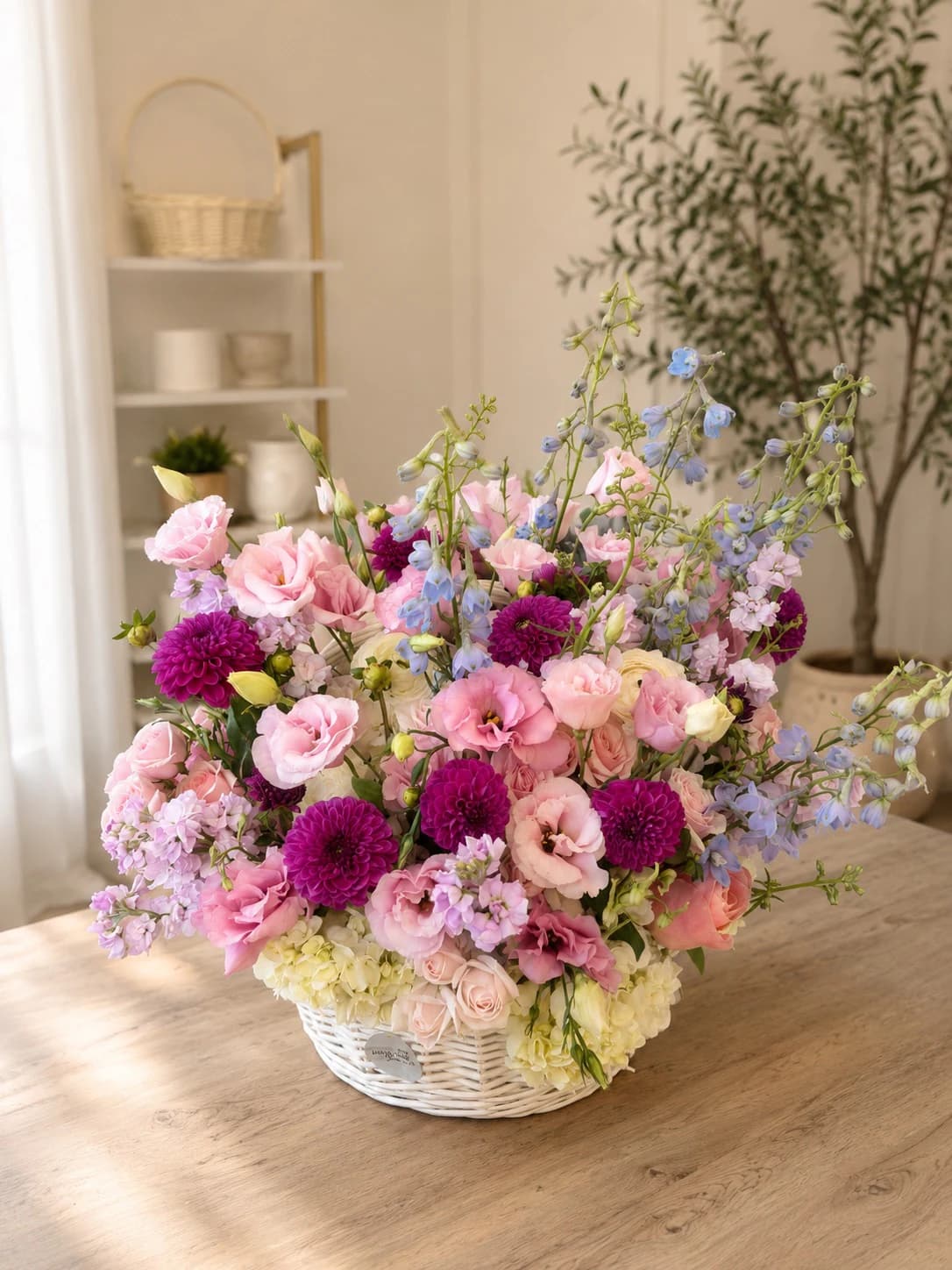
Spring is associated with ranunculus, tulips, sweet peas, anemones, lilac, and peonies as the season develops. These flowers suit loose, garden-inspired designs because they offer curved stems, layered petals, and natural movement.
Peonies are especially requested, but their strongest window can feel brief. If the exact variety is unavailable, garden roses, ranunculus, or double tulips can support a similar romantic mood without pretending to be a substitute in form or price.
Summer flowers: saturated color and strong shapes
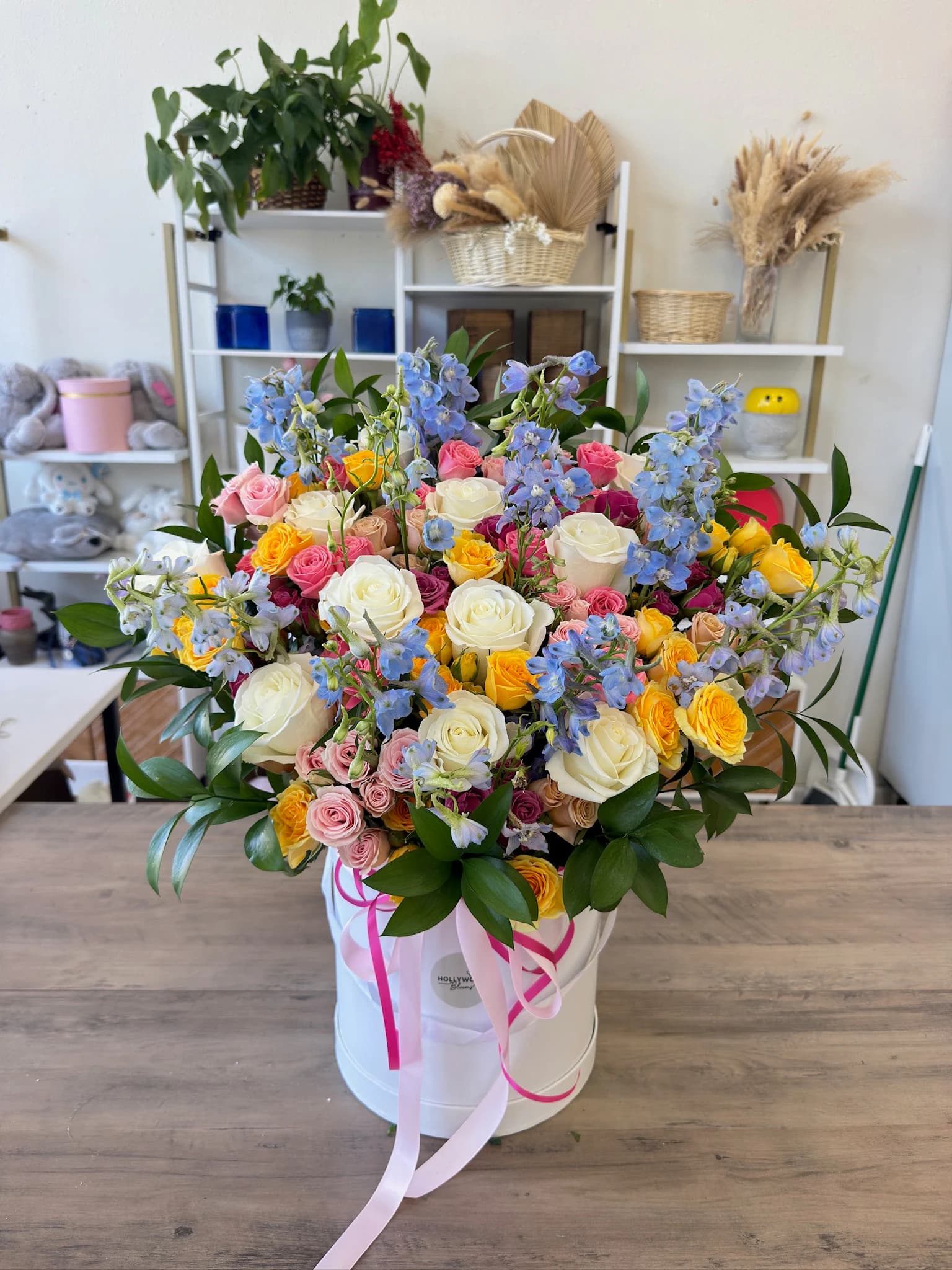
Summer brings expressive options such as dahlias, zinnias, cosmos, sunflowers, and textural grasses, depending on sourcing. This is a good season for bold palettes, airy meadow shapes, and designs that celebrate variation rather than perfect uniformity.
Heat matters after the flowers leave the studio. Keep finished arrangements out of parked cars and direct sun, and move them into fresh water as soon as possible.
Fall and winter flowers: depth, branches, and contrast
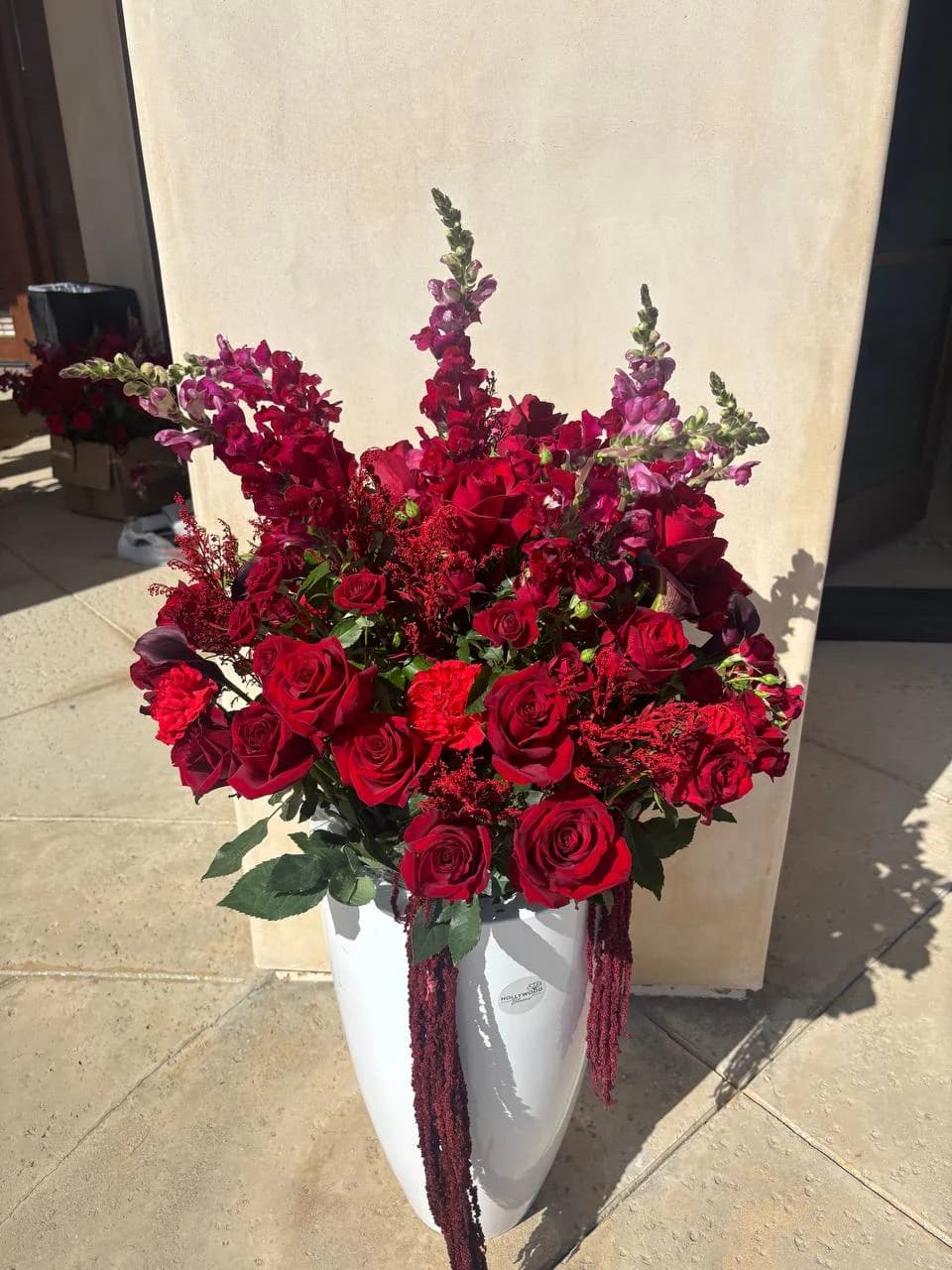
Autumn designs can lean into rust, burgundy, plum, warm neutrals, textural foliage, berries, grasses, and seasonal branches. Winter does not mean flowerless: roses, orchids, anthurium, amaryllis, hellebores, evergreens, and branches can create very different styles based on availability.
Holiday color is optional. A winter arrangement can be quiet and tonal, dramatic and sculptural, or bright and celebratory. Seasonality is as much about texture and gesture as it is about a list of flower names.
Reliable flowers and how to order seasonally
Roses, carnations, chrysanthemums, lilies, orchids, alstroemeria, and many foliage varieties are commonly sourced across broad parts of the year, though varieties and quality still fluctuate. A skilled florist can combine dependable flowers with a smaller amount of something especially seasonal.
When booking a class or ordering a design, describe the feeling, palette, and occasion. Then share which flowers are preferences and which are requirements. At Flower Studio LA, class flowers vary with season, quality, and availability so guests can work with a thoughtfully curated mix rather than a fixed recipe.
- Lead with colorFor example: blush and cream, citrus brights, burgundy and mauve, or white and green.
- Describe the styleGarden-like, modern, romantic, sculptural, minimal, or abundant gives useful design direction.
- Name prioritiesIf one flower matters emotionally, say so early and remain flexible on the supporting ingredients.
- Trust substitutionsA good substitution protects the palette, scale, and mood when the original flower is not at its best.